
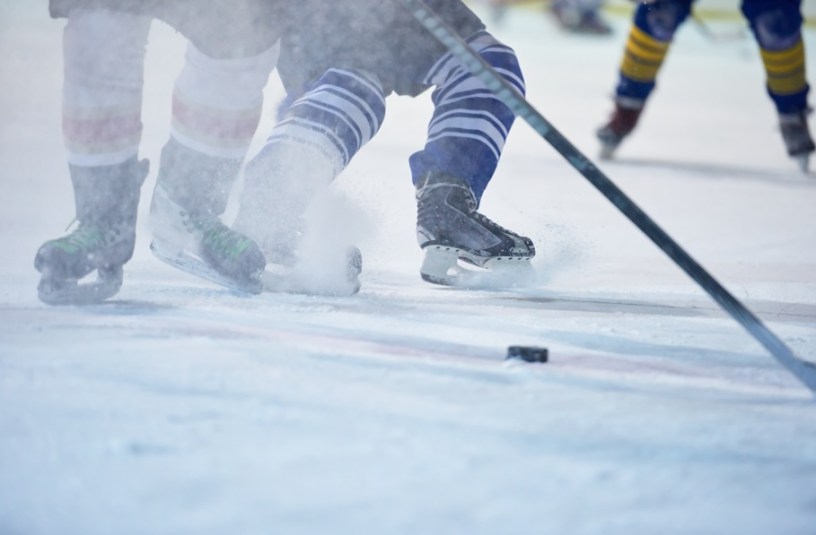
Hockey is one of the most demanding sports on the planet. It combines explosive speed, physical toughness, technical precision, and split-second decision-making — all while moving on ice at high velocity. For players who take the game seriously, the right equipment isn’t a luxury. It’s a necessity. Gear that fits properly, performs reliably, and holds up under the punishment of regular play directly impacts how you skate, shoot, check, and compete. Whether you’re stepping up your game at the recreational level or pushing toward elite competition, understanding what equipment matters most is the first step toward playing your best.
Skates: Your Most Important Investment
No piece of equipment affects your game more than your skates. A well-fitted pair of hockey skates is the foundation of everything — your speed, your edges, your balance, and your ability to change direction explosively. Serious players prioritize skates that are heat-moldable to their foot shape, offering a snug, precise fit that eliminates dead space and maximizes energy transfer with every stride.
Blade quality matters just as much as the boot. Sharp, well-maintained blades give you the grip and control needed to accelerate, stop, and cut effectively. Serious players get their blades profiled and sharpened regularly — not just when they feel dull, but on a consistent schedule that keeps performance predictable.
Skate stiffness is another consideration. Higher stiffness ratings offer more ankle support and power transfer for stronger skaters, while a slightly more flexible boot can benefit players still developing their stride mechanics.
Sticks: Finding Your Perfect Match
A hockey stick is a deeply personal piece of equipment. The right stick complements your position, your shooting style, and your strength. Serious players pay close attention to stick flex, blade curve, and overall length — all of which influence puck feel, shot release, and passing accuracy.
Flex refers to how much the shaft bends under load during a shot. Using a flex that matches your strength and shooting mechanics allows you to load and release the stick efficiently, generating maximum power without sacrificing accuracy. Too stiff, and you lose the whip effect that adds speed to your shot. Too flexible, and control suffers.
Blade curve affects how the puck sits and how it leaves the blade during shots and passes. Players who favor snap shots and quick releases often prefer different curves than those who rely on a heavy slap shot or precise passing. Experimenting with different blade patterns is part of finding the stick that feels like an extension of your hands.
Protective Gear: Don’t Compromise on Safety
Hockey is a contact sport played at high speed with hard pucks and sharp blades. Cutting corners on protective equipment is never worth it. The essentials — helmet, shoulder pads, elbow pads, gloves, shin guards, and a protective cup — should all fit properly and meet current safety standards.
A well-fitted helmet with a face cage or visor is non-negotiable. Concussions are a real risk at every level of play, and a helmet that fits loosely or sits incorrectly offers significantly reduced protection. Serious players replace helmets that have absorbed major impacts even if no visible damage is present.
Gloves deserve special attention. They protect your hands from slashes and impacts while also directly affecting your stick handling and shooting feel. Gloves that are too bulky reduce dexterity; gloves that are too thin sacrifice protection. Finding the right balance for your playing style is worth the time and investment.
Goalie Equipment: A Category of Its Own
Goalies operate in a different world from skaters and their gear reflects that. Leg pads, blockers, catchers, goalie sticks, and chest protectors are all highly specialized and represent a significant investment. For serious goaltenders, proper fitting of leg pads is especially critical — pads that are too long or too short disrupt positioning and coverage in the crease. Goalies should also invest in a quality goalie mask fitted and certified to current safety standards.
Training and Off-Ice Supplies
Serious players don’t just train on the ice. Off-ice training tools — shooting pads, puck handling aids, and skating treadmills — allow players to work on their skills year-round. A quality shooting pad with a slick surface simulates ice conditions and lets players develop their shot release, stickhandling, and passing accuracy without ever stepping into a rink.
Dry-land training also includes proper athletic conditioning equipment. Hockey demands strength, agility, and cardiovascular endurance, and players who invest in off-ice fitness see clear results when they return to the ice.
Skate and Equipment Maintenance
Even the best gear deteriorates without proper care. Skate blades need regular sharpening and should be dried thoroughly after every skate to prevent rust. Protective equipment should be aired out consistently — bacteria and odor build quickly in pads that stay damp and confined. Sticks should be inspected regularly for cracks or weak points in the shaft, especially at the hosel where the blade meets the stick.
Serious players treat equipment maintenance as part of their routine, not an afterthought. Well-maintained gear performs better, lasts longer, and keeps you safer on the ice.
Final Thoughts
Playing hockey at a serious level means treating your equipment with the same commitment you bring to practice and games. Every piece of gear — from your skates to your gloves to your training tools — either supports your development or holds it back. Invest thoughtfully, maintain consistently, and never underestimate how much the right hockey supplies can elevate your game.
 The Official Sport Blog