
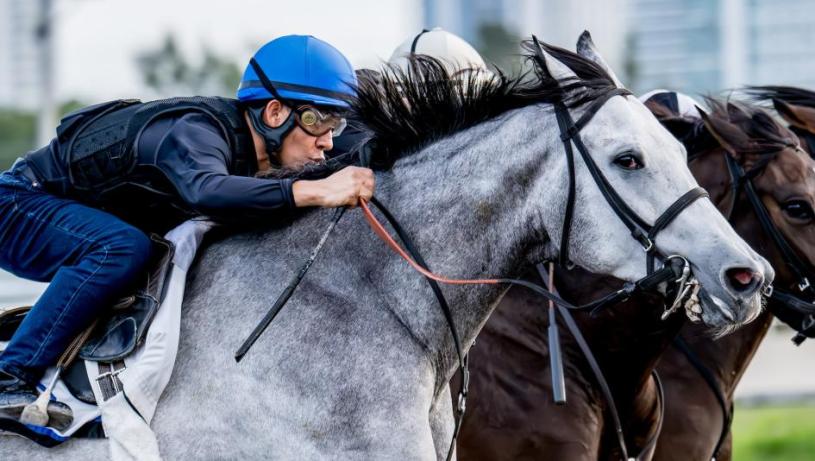
The thunder of hooves, the vibrant silks flashing past, and the electrifying roar of the crowd – horse racing is a spectacle of speed, skill, and sheer athleticism. But beneath the glamour and excitement lies a rigorous commitment to safety, particularly for the jockeys who guide these magnificent animals. Central to this commitment is the jockey helmet, a sophisticated piece of equipment designed to protect against the inherent risks of the sport. Yet, how much do we truly understand about these life-saving devices and the stringent safety standards that govern them? This article delves into the critical role of jockey helmets and the evolving landscape of safety in horse racing, offering insights into what makes these essential safety components so vital.
The Unseen Hero: Why Jockey Helmets Are Non-Negotiable
For anyone involved in horse racing, from seasoned jockeys to eager spectators, the importance of a well-designed, certified helmet cannot be overstated. Unlike a car, a racehorse is an unpredictable, powerful animal, and falls are an unfortunate, though thankfully rare, reality of the sport. When a jockey falls, the potential for head injuries is significant, ranging from concussions to more severe traumatic brain injuries. This is where the helmet becomes the ultimate protector, absorbing and dissipating impact forces that could otherwise have devastating consequences.
Statistics underscore this necessity. According to a study published in the British Journal of Sports Medicine, head injuries account for a substantial percentage of all jockey injuries. While exact figures vary by region and racing discipline, the consensus is clear: a properly fitted and certified helmet drastically reduces the risk of serious head trauma. It’s not just about surviving a fall; it’s about mitigating long-term neurological damage that can affect a jockey’s career and quality of life. The evolution of jockey outfits horse racing has seen a significant shift towards prioritizing safety, with helmets leading the charge.
Decoding Safety Standards: What Makes a Helmet Safe?
Not all helmets are created equal, especially when it comes to the demanding environment of horse racing. A jockey helmet must adhere to incredibly strict international and national safety standards, which are constantly being reviewed and updated based on scientific research and real-world incident data. The primary goal of these standards is to ensure that a helmet can withstand various types of impacts, distribute force effectively, and remain securely on the jockey’s head during a fall.
Key International Safety Standards
Several prominent organizations set the benchmarks for helmet safety. The most widely recognized include:
- ASTM F1163 (American Society for Testing and Materials): This standard is prevalent in North America and specifies rigorous testing protocols for equestrian helmets, including impact absorption, penetration resistance, and retention system strength.
- PAS 015 (Product Assessment Specification): Developed by the British Standards Institution, PAS 015 is a highly respected standard in Europe and globally. It involves comprehensive impact tests, crush tests, and penetration resistance tests, often considered one of the strictest standards.
- VG1 (European Standard): Another European standard, VG1, provides a robust framework for helmet safety, focusing on impact protection and structural integrity.
Each of these standards involves a series of laboratory tests where helmets are subjected to controlled impacts, varying temperatures, and different fall scenarios. Materials like expanded polystyrene (EPS) foam, fiberglass, and carbon fiber are meticulously engineered into the helmet’s design to offer maximum protection without compromising on weight or comfort.
The Role of Certification and Regular Inspection
Beyond initial certification, ongoing vigilance is crucial. Jockeys are typically required to use helmets that bear a current certification mark from an approved testing body. Furthermore, helmets have a limited lifespan, usually around 5 years, or immediately after any significant impact, even if no visible damage is present. The integrity of the materials can degrade over time, and hairline fractures or internal damage from a fall might not be immediately apparent. Regular inspection by racing authorities ensures that all jockey outfits horse racing components, especially helmets, meet the required safety thresholds.
Beyond the Shell: Design Innovations for Enhanced Protection
Modern jockey helmets are a marvel of engineering, incorporating cutting-edge materials and design principles to offer superior protection. It’s not just about a hard outer shell; it’s about a multi-layered approach to energy management.
Multi-Density Foams and MIPS Technology
Many contemporary helmets feature multi-density foam liners. These layers are designed to compress at different rates, absorbing a wider range of impact forces. More recently, technologies like the Multi-directional Impact Protection System (MIPS) have been integrated into some equestrian helmets. MIPS is designed to reduce rotational forces on the brain during oblique impacts, a common type of impact in falls, by allowing a slight relative motion between the head and the helmet. This innovation represents a significant step forward in addressing complex injury mechanisms.
Fit, Comfort, and Ventilation
A helmet can only protect if it’s worn correctly and comfortably. Poor fit can lead to the helmet shifting during a fall, compromising its protective capabilities. Manufacturers now offer a wide range of sizes, adjustable fitting systems, and different internal padding options to ensure a snug, secure fit for every jockey. Good ventilation is also critical, especially in high-intensity racing environments, to prevent overheating and maintain focus. The advancement in materials has allowed for lighter helmets, reducing neck strain and improving overall comfort, which is vital for jockeys who spend hours in their jockey outfits horse racing.
Actionable Insights for Jockeys and the Racing Community
- Prioritize Certification: Always choose a helmet that meets or exceeds current international safety standards. Look for the certification mark.
- Ensure Proper Fit: A helmet should be snug but comfortable, without causing pressure points. It should not move when you shake your head. Seek professional fitting advice if unsure.
- Replace After Impact: Even seemingly minor impacts can compromise a helmet’s integrity. Always replace a helmet after a fall, regardless of visible damage.
- Adhere to Lifespan Guidelines: Respect the manufacturer’s recommended lifespan for your helmet, typically 3-5 years, as materials degrade over time.
- Regular Inspections: Jockeys should regularly inspect their helmets for any signs of wear, cracks, or damage. Racing authorities also conduct periodic checks.
- Stay Informed: Keep up-to-date with the latest safety standards and helmet technologies. The field of protective gear is constantly evolving.
Conclusion: A Commitment to Safety First
The commitment to safety in horse racing is an ever-evolving journey, with jockey helmets standing as a testament to the industry’s dedication to protecting its athletes. From the rigorous testing of international safety standards to the innovative designs incorporating multi-density foams and rotational impact protection, every element of a jockey helmet is meticulously crafted with one goal in mind: to safeguard the rider. As the sport continues to push the boundaries of speed and athleticism, the advancements in protective gear, particularly the crucial helmet, ensure that jockeys can compete with confidence, knowing they are equipped with the best possible protection. The evolution of jockey outfits horse racing is intrinsically linked to this unwavering focus on safety, making the sport thrilling yet responsible.
Author Bio:- The author is a passionate equestrian safety advocate and content specialist with over a decade of experience in the equine industry. They have a deep understanding of riding disciplines, equipment standards, and the importance of rider protection. Their work focuses on educating riders and the wider equestrian community about best practices in safety and equipment choices, drawing on extensive research and connections within the industry.
 The Official Sport Blog